 Save
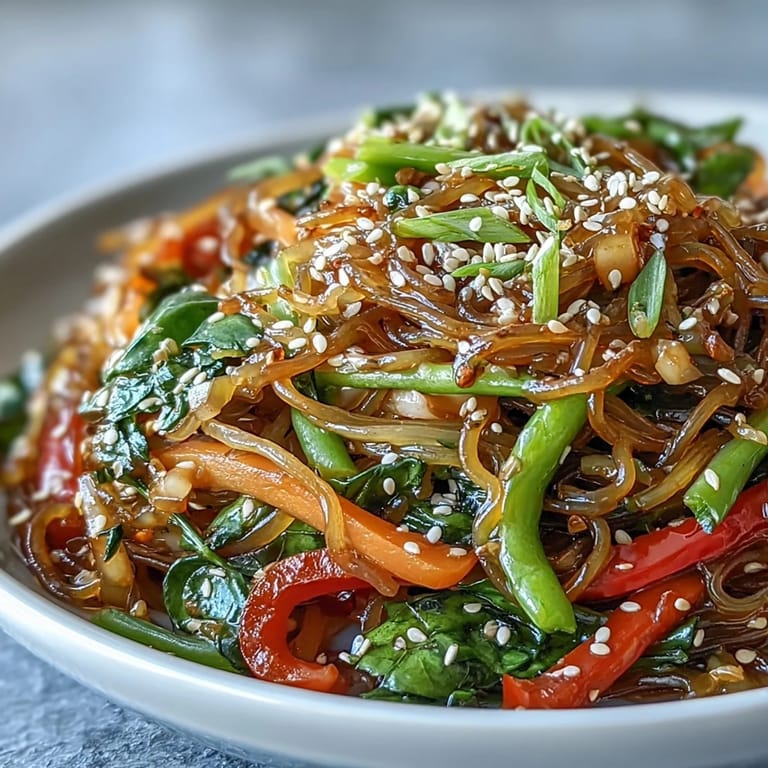
Save I discovered kelp noodles by accident at an Asian market while hunting for something entirely different, and the cashier's casual recommendation stuck with me: "They're basically magic if you're tired of heavy carbs." That was three years ago, and now I can't imagine my weeknight rotation without them. There's something almost meditative about how quickly they soften in warm water, transforming from those quirky translucent strands into something tender and ready to absorb whatever flavor you throw at them. This stir-fry became my go-to when I wanted something that felt indulgent but left me feeling light afterward.
I made this for my sister when she was visiting and trying to eat lighter, and watching her close her eyes after the first bite told me everything. She kept saying the ginger was hitting differently, and I realized it was because I'd grated it fresh that morning instead of using the jarred stuff. That small choice changed everything about how the sauce tasted, and it became a moment where she actually wanted the recipe instead of just being polite about it.
Ingredients
- Kelp noodles: These are your secret weapon for a dish that feels noodle-based but won't leave you sluggish; rinsing them thoroughly removes any ocean saltiness that can sneak up on you.
- Red bell pepper: The sweetness cuts through the savory sauce beautifully, and thinly slicing keeps everything cooking at the same pace.
- Snap peas: They stay crisp and snappy if you don't overcook them, which is why timing matters more than technique here.
- Carrot: Julienning makes it cook faster and look more intentional, plus it catches the sauce in all those little ridges.
- Baby spinach: It wilts down so quickly that you barely need to stir; two cups looks like a lot until it doesn't.
- Green onions: A last-minute addition that adds a fresh bite and prevents the whole dish from feeling one-note.
- Tamari or low-sodium soy sauce: Regular soy sauce can overpower these delicate noodles, so the lower sodium version lets other flavors breathe.
- Toasted sesame oil: Use the real stuff, not the refined kind; the difference is the whole depth of this dish.
- Rice vinegar: It's gentler than distilled vinegar and adds brightness without harshness.
- Fresh ginger: This is where your effort pays off; freshly grated ginger tastes nothing like the powdered version.
- Maple syrup or agave nectar: Just enough sweetness to balance the salty and sour without making it dessert.
- Garlic: Minced fine so it distributes throughout the sauce and doesn't leave aggressive chunks.
- Chili flakes: Optional, but they add a subtle warmth that makes people wonder what your secret is.
- Sesame seeds: Toast them yourself if you have time; it wakes up their nuttiness and makes the dish taste homemade in the best way.
Tired of Takeout? 🥡
Get 10 meals you can make faster than delivery arrives. Seriously.
One email. No spam. Unsubscribe anytime.
Instructions
- Soften the kelp noodles:
- Pour warm water over the rinsed noodles in a large bowl and let them sit for about 10 minutes, stirring once halfway through so they hydrate evenly. They should go from stiff and glassy to tender and slightly flexible, ready to absorb the sauce.
- Whisk the sauce together:
- In a small bowl, combine tamari, sesame oil, rice vinegar, ginger, maple syrup, garlic, and chili flakes, stirring until the sweetness dissolves. Taste it straight from the spoon and adjust the balance; if it's too salty, add a splash more vinegar, if it's too sharp, a tiny bit more maple syrup.
- Sauté the firm vegetables first:
- Get your skillet screaming hot over medium-high heat, then add the bell pepper, snap peas, and carrot all at once, tossing constantly for 3 to 4 minutes until they're tender-crisp with still a little crunch. Listen for that sizzle to know the pan is hot enough; if it's quiet, turn up the heat.
- Wilt in the spinach and green onions:
- Throw in the spinach and green onions and stir for about a minute; the residual heat does most of the work, and you want the spinach collapsed but still bright. The green onions soften just enough to lose their raw bite but keep their fresh flavor.
- Bring it all together:
- Add the drained noodles to the skillet along with your sauce, then toss everything for 2 to 3 minutes, lifting and folding so every strand gets coated and everything heats through. You'll see the sauce cling to the noodles, and that's when you know it's ready.
- Finish and serve:
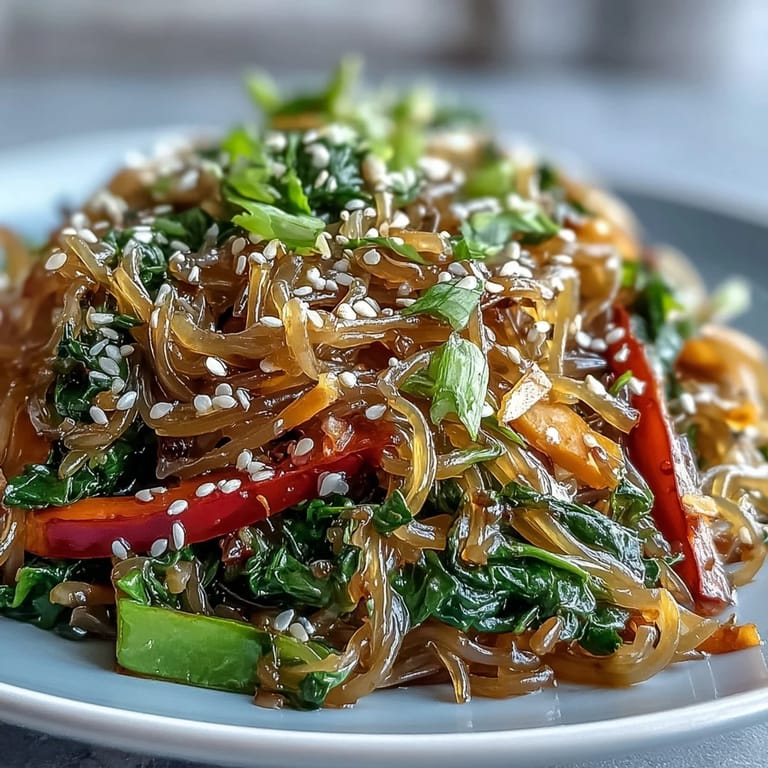
- Divide into bowls while everything is still steaming, then scatter sesame seeds, cilantro, and lime wedges on top. The lime juice adds one last layer of brightness that makes the whole bowl sing.
 Save
Save There's a specific moment when you nail this dish, and it's when someone asks if you ordered it instead of cooked it. That compliment hits different when you know you spent 25 minutes in your own kitchen with real ingredients you could name. It stopped being just a recipe for me and became proof that eating light doesn't mean eating boring.
The Magic of Kelp Noodles
Kelp noodles were strange to me at first, honestly. They look almost unreal when they're dry, and I wasn't sure they'd actually work in a stir-fry without falling apart or turning into seaweed soup. But they have this incredible texture when cooked right, chewy but not mushy, and they absorb flavors better than regular noodles because there's nothing starchy getting in the way. Once I stopped fighting them and just worked with their nature, everything clicked. Now I keep them stocked like some people stock pasta, because they're genuinely indispensable on nights when I want something fast and clean.
Sauce Balance and Why It Matters
I used to just eyeball the sauce and wondered why some batches tasted amazing and others fell flat. Then I started tasting it before adding it to the noodles, and that changed everything. The sauce should hit you with salty, then sour, then sweet in that order, with ginger warmth underneath everything. If one note is missing, the whole dish tastes unfinished. It's not complicated, just intentional, which is the difference between cooking something and throwing ingredients together.
Vegetable Timing and Texture
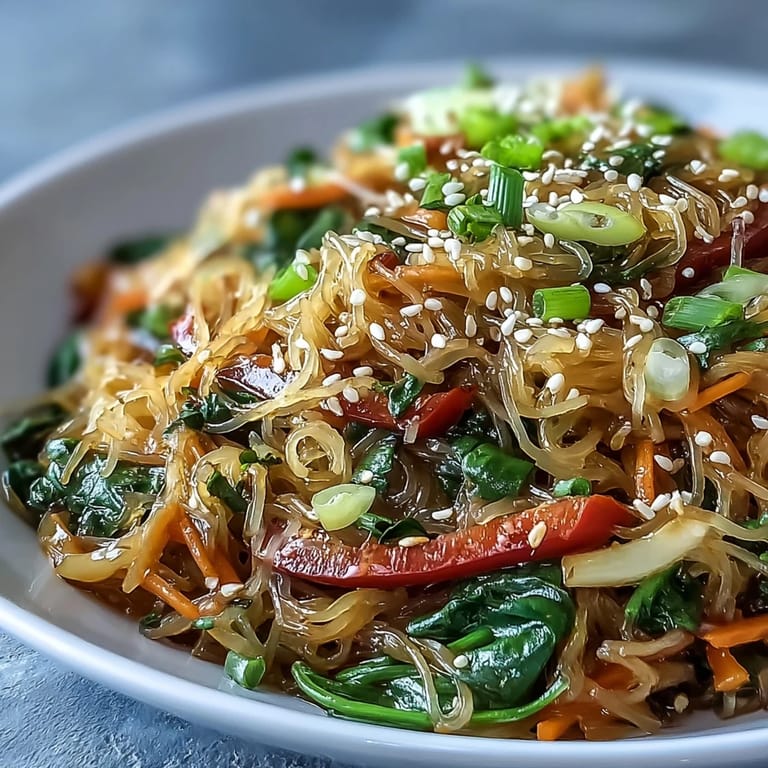
The biggest mistake I made early on was adding everything to the pan at once, which meant the delicate spinach was overdone while the carrots were still crunchy. Now I respect the order: firmest vegetables first, tender ones last, so each one hits its perfect point at the same moment. It's less about following rules and more about understanding that vegetables are living things with their own cooking rhythms. When you cook for the vegetables instead of against them, you taste the difference in every bite.
- Prep all your vegetables before you turn on the heat, so you're not chopping while things are cooking and getting nervous.
- Keep the heat medium-high rather than maximum, which gives you control and prevents burning the bottom layer while the top is raw.
- Have your sauce ready and tasted before the noodles go in, so you can focus on texture and timing instead of last-minute seasoning scrambles.
 Save
Save This dish taught me that simple doesn't mean boring, and that respecting your ingredients is half the battle. Every time I make it, I'm reminded why I fell for it in the first place: because it's honest food that tastes like someone actually cared.
Recipe FAQs
- → What do kelp noodles taste like?
Kelp noodles have a very mild, neutral flavor that easily absorbs sauces and seasonings. Their main appeal is the satisfying crunchy texture, similar to glass noodles but firmer.
- → Do I need to cook kelp noodles?
Kelp noodles don't require cooking—simply soaking them in warm water for 10 minutes softens them perfectly while maintaining their signature crunch.
- → Can I add protein to this dish?
Absolutely! Cubed tofu, edamame, or cooked chicken work wonderfully. Add your protein during the vegetable sauté step to heat through.
- → How long do leftovers keep?
Store in an airtight container for up to 3 days. The noodles may soften slightly but will still taste delicious. Reheat gently or enjoy cold.
- → What vegetables work best?
Bell peppers, snap peas, carrots, and spinach provide color and crunch. Broccoli, zucchini, mushrooms, or bok choy make excellent substitutions based on preference.