 Save
Save There was something uniquely joyful about the first time I made this Rosé Velvet Cake—the faintly fruity aroma of wine curling around clouds of buttery sugar, and streaks of pink batter on my knuckles. The light in my kitchen bounced off golden flecks as I painted the still-warm chocolate drip, a little nervous that it might not set perfectly. I played my favorite French playlist and laughed when a berry rolled off the counter and onto my sock—it felt like celebration was seeping into the cake itself. The cake isn't just visually stunning: it invites you to slow down and notice every shimmer and scent. When you slice in, there's this hush, as if everyone is waiting for a wish.
Last spring I baked this cake as a surprise centerpiece for my best friend's bridal shower, sneaking it into the venue while everyone was distracted with games and laughter. The look on her face when the cake appeared, shimmering in the afternoon light with those delicate gold trails, is a snapshot I hope never fades.
Ingredients
- All-purpose flour: Sifting leaves the layers feather-light, so don't skip that step even if it seems fussy.
- Granulated sugar: I learned a fine grain dissolves best for even crumb and sweet flavor.
- Baking soda: My first cake was too dense until I realized this helps it rise just right.
- Fine salt: Just a pinch sharpens and balances the sweetness—never leave it out.
- Cocoa powder (unsweetened): Use good-quality here for a subtle depth, not a chocolate cake.
- Vegetable oil: Oil (not butter) makes the crumb softer and keeps it tender for days.
- Large eggs: Room temperature is crucial for a smooth batter; cold ones made it curdle once for me.
- Buttermilk: The key to that velvet finish; if you don't have any, a spoonful of lemon juice in milk works in a pinch.
- Rosé wine: Dry or sparkling brings a delicate fruity lift but don't overdo it—a half cup is just enough.
- Vanilla extract: This rounds out all the perfumed notes from the wine.
- White vinegar: Surprising, but it reacts with the baking soda for extra fluffiness.
- Pink or rose gel food coloring: Just a dot at a time; mix gently until you reach a blush you love.
- Unsalted butter (for buttercream): Softened to room temp gives an airier, silky frost (don't rush this).
- Powdered sugar (for buttercream): Sift to nix any lumps for truly smooth piping.
- More rosé (for buttercream): Add bit by bit and taste—I've made it too runny by being impatient!
- Edible gold luster dust: This is the magic touch, just be sure it's food-grade.
- White chocolate chips & heavy cream (for drip): Go slow melting; any scorching ruins the shimmer effect.
- Vodka or clear lemon extract: Alcohol evaporates quickly so the gold paint dries fast and brilliantly.
Tired of Takeout? 🥡
Get 10 meals you can make faster than delivery arrives. Seriously.
One email. No spam. Unsubscribe anytime.
Instructions
- Get Everything Ready:
- Preheat your oven to 350°F (175°C) and line three 8-inch cake pans with parchment. Grease well, so nothing sticks later—trust me, rushing here only leads to heartbreak.
- Mix the Dry Ingredients:
- In a big bowl, sift flour, sugar, baking soda, salt, and cocoa powder. It'll look so fine and light you'll want to run your hands through it (but don't).
- Whisk Wet Ingredients:
- Combine oil, eggs, buttermilk, rosé, vanilla, and vinegar; whisk until glossy and slightly pink from the wine. It's okay if it smells a little tangy—that's the magic beginning.
- Make the Batter:
- Pour wet over dry in stages, stirring gently. Stop when everything is just wettened; now swirl in food coloring until you get that perfect blush.
- Bake the Cakes:
- Divide into pans as evenly as possible (I use a scale when I'm feeling precise) and bake 30-35 min until the tops spring back and a tester comes out clean.
- Cool the Cakes:
- Let rest in pans 10 min, then loosen the edges with a knife and flip onto a rack to cool fully—resist icing before they're cold or it will slide right off.
- Make the Rosé Buttercream:
- Whip butter until pale and fluffy, then add powdered sugar in low, slow bursts (messy but fun). Pour in rosé and vanilla and whip until plush and pipe-able; taste and adjust if needed.
- Assemble and Frost:
- Level cakes if needed, stack with a thick swipe of buttercream between layers. Do a crumb coat all over, chill 20 min, then finish with the rest—smooth gently for that lovely effect.
- Gold Drip Magic:
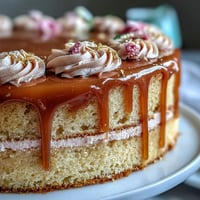
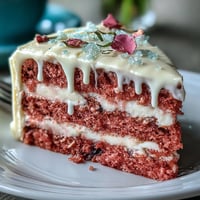
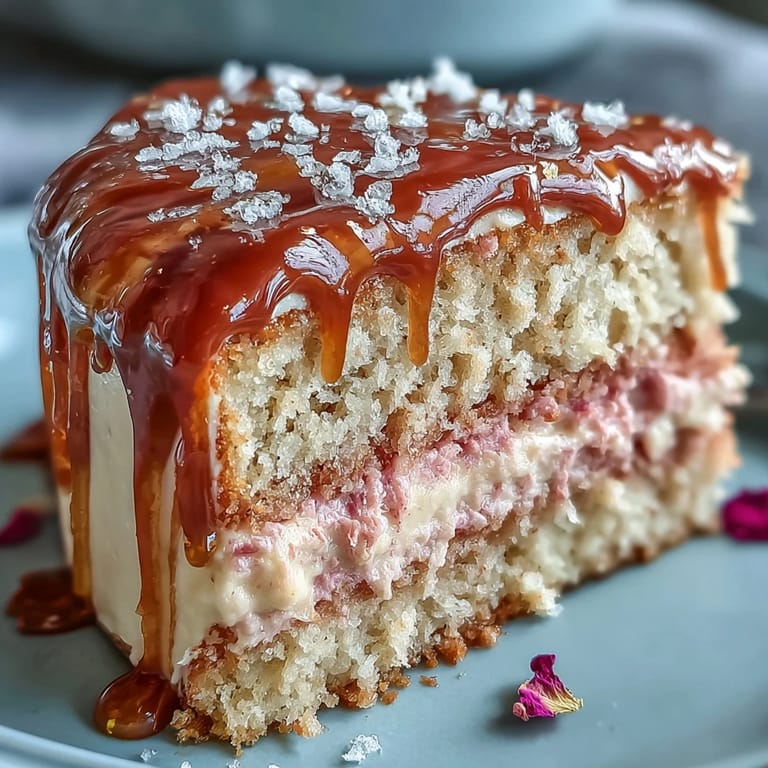
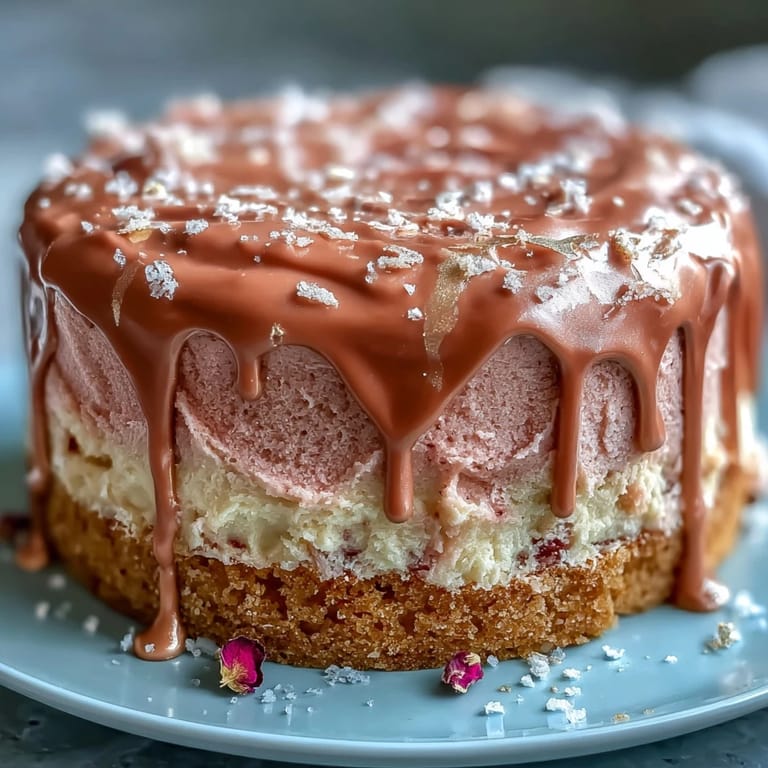
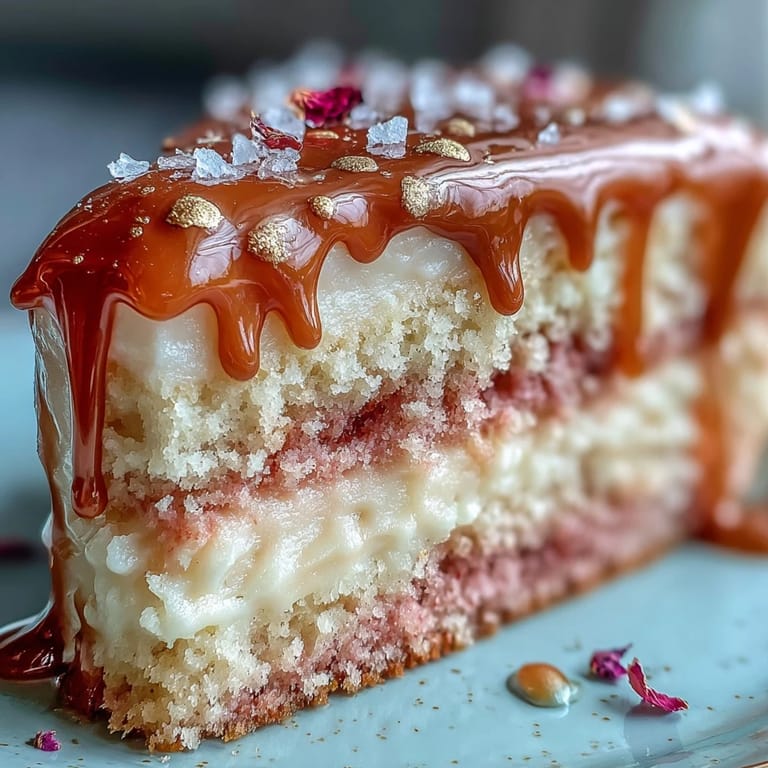
- Melt white chocolate and cream gently, stir until glossy. Let cool slightly, pour around the cake edge, then brush the set drip with gold luster paint for that royal touch.
- Add the Finishing Sparkle:
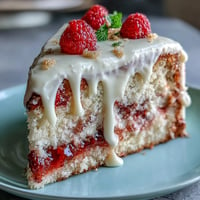
- Once set, add rose petals, berries, or more edible gold as your heart desires. Chill or serve right away—both are stunning!
 Save
Save At the shower, when the last bite was gone, a friend quietly asked me if I would make the same cake for her own wedding someday. That moment, with bit of rosé on my cheek and laughter echoing, told me the recipe had become part of our circle's shared celebrations.
Choosing and Using Rosé in Baking
I once learned the hard way that not all rosés are created equal for baking—a crisp, dry bottle leaves the flavor light and floral, while anything too sweet tends to overpower the cake. If you can, taste a sip first and choose a bottle you actually enjoy drinking, as that hint will echo through both crumb and buttercream.
Decorating for Maximum Wow
Creating the gold drip turned into the most unexpectedly fun (and slightly nerve-wracking) part. My tip is to let the chocolate cool until it's still pourable but not steaming, and take your time with the gold brush—a little shimmer goes further than you'd think.
Make-Ahead Tips and Serving Moments
This cake is a lifesaver when you need to prep ahead: make the cake layers up to two days in advance, wrap well, and frost the morning of your event so the buttercream stays velvety. If you decorate just before serving, the gold and pink will look their freshest.
- Room temperature cake always has the best texture.
- A slice with berries or tiny edible flowers makes for an unforgettable presentation.
- Don't be afraid to get a little creative with your decorations, especially for a party.
 Save
Save Baking this cake always reminds me that sometimes a bit of shimmer and rosé makes every milestone feel golden. I hope it's the highlight of your celebration table, just as it's been for mine.
Recipe FAQs
- → Which rosé works best for the batter and buttercream?
Choose a dry or lightly fruity rosé—still or gently sparkling. It adds floral and red-fruit notes without extra sweetness. Reduce other liquids if your wine is particularly wet, and taste as you go when adding wine to the buttercream.
- → How can I make evenly baked layers?
Weigh or measure batter to divide it evenly between pans, tap out air bubbles, and rotate pans halfway through baking. Level the domes with a serrated knife once cooled; chilling the layers makes trimming and stacking neater.
- → What’s the best method for a stable gold drip?
Make a white chocolate drip by melting chocolate with cream to a pourable ganache, then cool slightly so it thickens but still flows. Pour from the center edge slowly to control drips. Mix edible luster dust with a small amount of food-safe alcohol or clear extract to paint the set drip—only use products labeled edible.
- → Can I omit alcohol and keep the same flavor?
Yes—substitute rosé in the cake with an equal amount of buttermilk plus a teaspoon or two of rose water or apple juice for aroma. For the buttercream, replace rosé with a splash of strong brewed tea or additional vanilla while adjusting powdered sugar to reach the right consistency.
- → How should I store and prepare ahead?
Assemble and chill the cake up to a day ahead; keep covered in the refrigerator. Bring it to room temperature for 30–60 minutes before serving for the best texture and flavor. If decorated with delicate petals, add them just before presenting.
- → Any tips for allergy-friendly swaps?
For dairy-free versions, use plant-based butter and coconut or soy-based cream for the drip, noting texture differences. Egg replacers can work in the sponge but may change crumb and rise; test a small batch if making major substitutions.