 Save
Save There's something about the first time you make zucchini soup on a sweltering afternoon that changes how you think about summer cooking. My neighbor showed up with an armful of zucchinis from her garden, apologizing for the abundance the way gardeners do, and I realized I had exactly what I needed for something light and silky. The kitchen stayed cool, the blender hummed with quiet satisfaction, and by the time that first spoonful touched my tongue, I understood why she kept planting more every year.
I made this for a dinner party where everyone was overheated and tired, and watching their faces brighten as they tasted it was worth every minute of chopping. One guest asked if I'd used stock from scratch, and when I told her it was just four ingredients away from restaurant quality, she wrote down the recipe right there at the table.
Ingredients
- Olive oil (2 tablespoons): Use good quality oil here since it's going to shine through in the final bowl, and it's one of the few times you can really taste the difference.
- Onion and celery (1 medium onion, 1 stalk): These two build the flavor foundation; don't rush them, let them soften and become almost invisible in the final soup.
- Garlic cloves (2, minced): Mince finely so it dissolves completely rather than leaving little chunks that catch you off guard.
- Zucchinis (4 medium, about 800 g): Pick smaller zucchinis if you can; they're tender and less watery than the giant ones, and they slice more evenly.
- Potato (1 medium, peeled and diced): This is your secret ingredient for body and creaminess without needing loads of cream, so don't skip it.
- Vegetable broth (1 liter or 4 cups): Use low-sodium broth so you can season it properly without ending up with something too salty.
- Cream or coconut milk (100 ml or 1/2 cup, optional): If you're adding it, save it for the end so it stays bright and doesn't cook away its subtle flavor.
- Fresh herbs (parsley, basil, thyme): Fresh always beats dried here; dried herbs turn muddy and lose their brightness when blended, so don't even consider the jar.
- Lemon zest (from 1/2 lemon): This is what makes people ask what you added; it lifts everything without tasting citrusy, just alive.
- Salt and black pepper: Taste as you go, because salt is the only thing that really wakes up a soup made entirely of mild vegetables.
Tired of Takeout? 🥡
Get 10 meals you can make faster than delivery arrives. Seriously.
One email. No spam. Unsubscribe anytime.
Instructions
- Warm and soften the aromatics:
- Heat your olive oil in a large pot over medium heat, then add the chopped onion and celery. You're looking for them to turn translucent and start releasing their sweetness, about 4 minutes; the kitchen should smell softer somehow, less raw.
- Build the flavor:
- Add your minced garlic and let it cook for just a minute until you smell that toasted, fragrant note. This step matters more than you'd think; it changes the whole soup's personality.
- Add the vegetables:
- Stir in your sliced zucchini and diced potato, cooking and stirring occasionally for 5 minutes. Watch how the zucchini starts to soften at the edges; that's your signal things are moving along.
- Simmer until tender:
- Pour in your vegetable broth and bring it to a boil, then lower the heat and simmer partially covered for 15 minutes. The vegetables should be completely soft when you press them with a spoon, with no resistance at all.
- Add fresh herbs and zest:
- Take the pot off the heat, then stir in your parsley, basil, thyme, and lemon zest. Let them sit in the warmth for a moment so their oils have a chance to bloom.
- Blend until silky:
- Use an immersion blender and pulse until the soup is completely smooth and silky, like cream. If you're using a regular blender, work in batches and be careful when blending hot liquid; leave the lid slightly cracked so steam can escape.
- Finish with dairy (optional):
- Stir in cream or coconut milk if you're using it, then taste and adjust your seasoning with more salt and pepper as needed. The soup should taste balanced, bright, and a little bit luxurious.
- Serve at your preferred temperature:
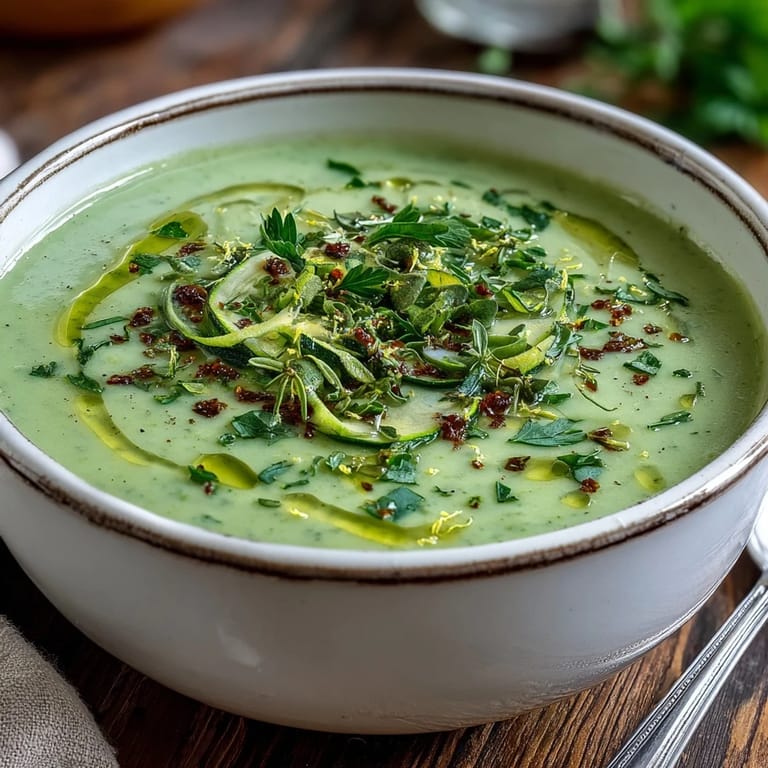
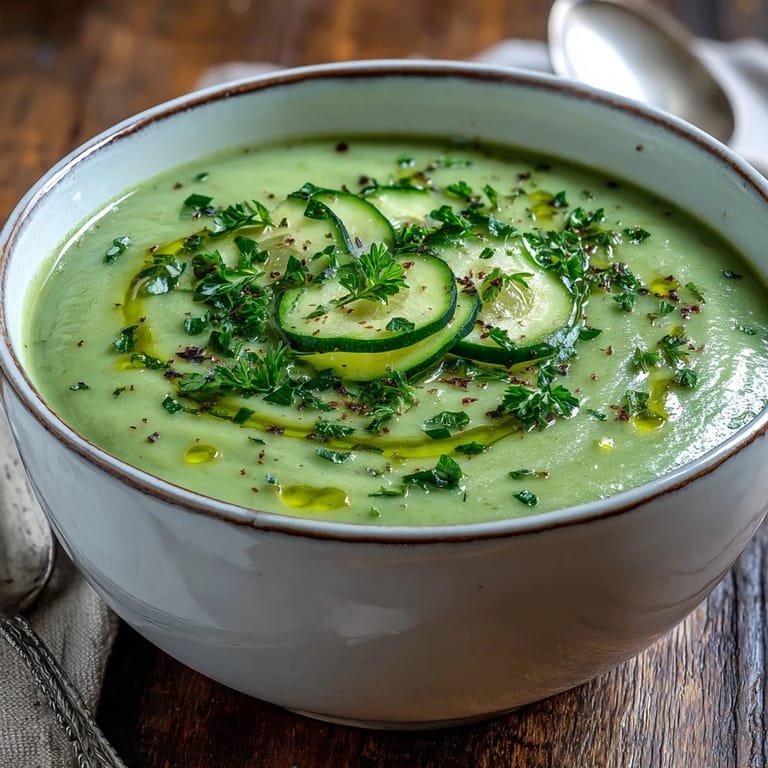
- Heat gently if needed, then ladle into bowls and garnish with extra fresh herbs and a drizzle of olive oil or a small swirl of cream. Serve immediately while it's at its most beautiful.
 Save
Save  Save
Save My mother called one evening just as I was serving bowls to my family, and I held the phone up so she could hear my youngest say it tasted like summer. That moment, that simplicity, that's what this soup is really about.
When to Make This Soup
This is a summer and early fall soup, though it works any time you can find good zucchini at the farmers market. I make it in late June when the first wave hits and again in September when prices drop and gardens are overflowing. On hot days, chill it completely and serve it cold; on cooler evenings, serve it steaming with crusty bread for dunking.
How to Store and Reheat
This soup keeps beautifully in the refrigerator for up to four days in an airtight container, and the flavors actually meld and deepen overnight. Reheat it gently over medium-low heat, stirring occasionally so it doesn't catch on the bottom of the pot, and add a splash of broth if it's thickened too much from sitting.
Variations and Serving Ideas
I've learned that this soup is a canvas; some nights I add a handful of baby spinach at the end for color, other times I stir in a tablespoon of pesto or drizzle it with crispy sage oil. It pairs beautifully with a light Sauvignon Blanc, or try it alongside a crusty baguette, scattered toasted seeds, or even a simple grilled cheese for something more substantial.
- For a protein boost, top with roasted chickpeas or crumbled feta cheese instead of just herbs.
- Make it vegan without any effort by using coconut milk and quality vegetable broth; honestly, most people won't notice the difference.
- Freeze individual portions in ice cube trays for a quick addition to other dishes or a light lunch when thawed and reheated.
 Save
Save  Save
Save This soup has become one of those recipes I make without thinking, reaching for it whenever the season turns warm or whenever I need something that tastes both simple and somehow special. Make it once and you'll understand why.
Recipe FAQs
- → Can I make this soup vegan?
Yes, simply use coconut milk instead of cream and ensure your vegetable broth is vegan-friendly. The result is equally creamy and delicious.
- → Can I serve this soup cold?
Absolutely! This soup is delicious chilled, making it perfect for warm summer days. Let it cool completely before refrigerating for at least 2 hours.
- → What can I use instead of potato for thickening?
You can use cauliflower, white beans, or even cooked rice as alternatives to potato for creating a creamy, thick texture when blended.
- → How long does this soup keep in the refrigerator?
Store in an airtight container in the refrigerator for up to 4 days. Reheat gently on the stovetop, adding a splash of broth if it's too thick.
- → Can I freeze zucchini soup?
Yes, this soup freezes well for up to 3 months. If using cream, add it after thawing and reheating for the best texture and flavor.
- → What herbs work best if I don't have fresh ones?
Dried herbs can be used in a pinch—use about one-third the amount. Add them earlier in the cooking process to allow their flavors to develop fully.